
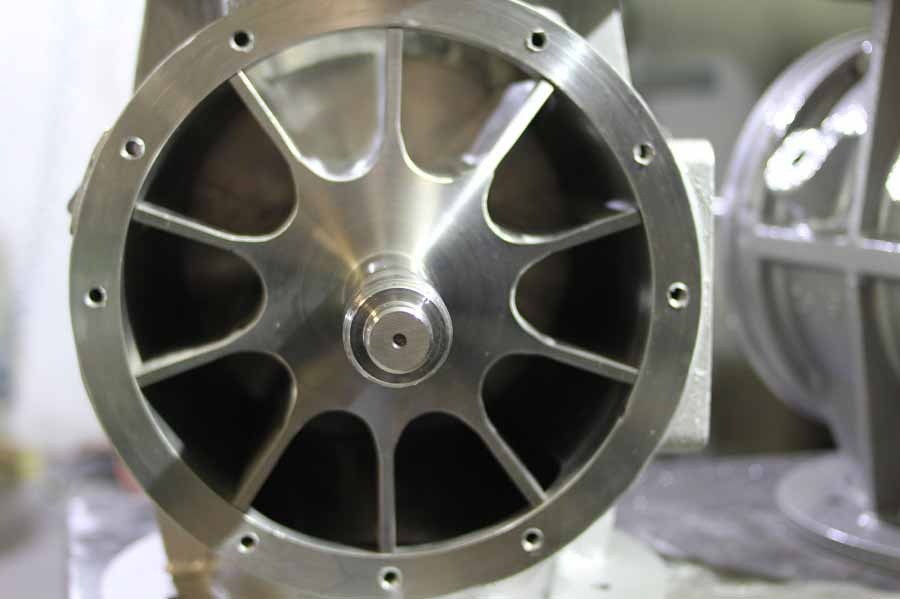

A rotary valve, also known as a rotary airlock, is a mechanical device with a vaned design, generally used in pneumatic conveying systems (pressure and vacuum) to separate solid bulk products in powder or granular form from air. It is widely used especially under filters and cyclones. While the capacity of the device is determined by its diameter and rotational speed, the most important factor determining the efficiency of the equipment is the vane tolerances. Rotary valves can also be used as dosing feeders and as proportional dischargers under silos.
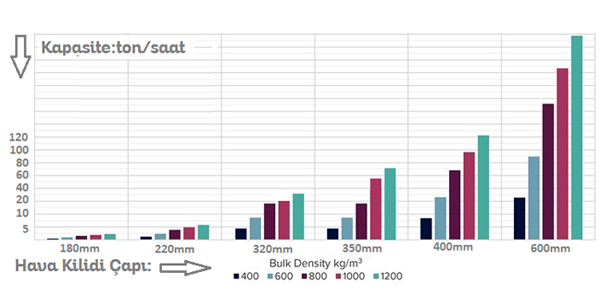
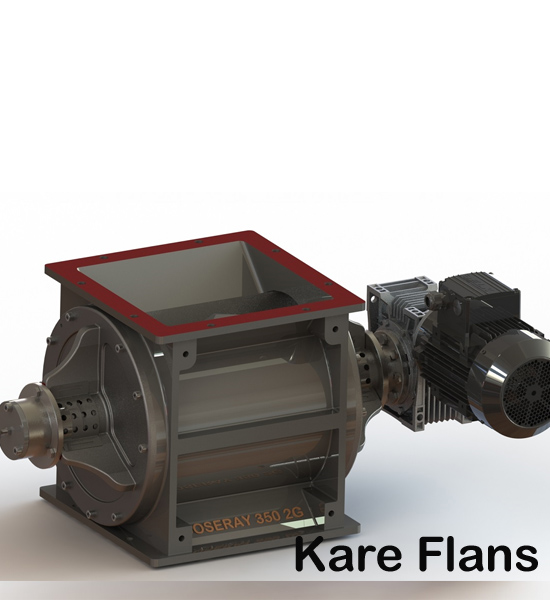
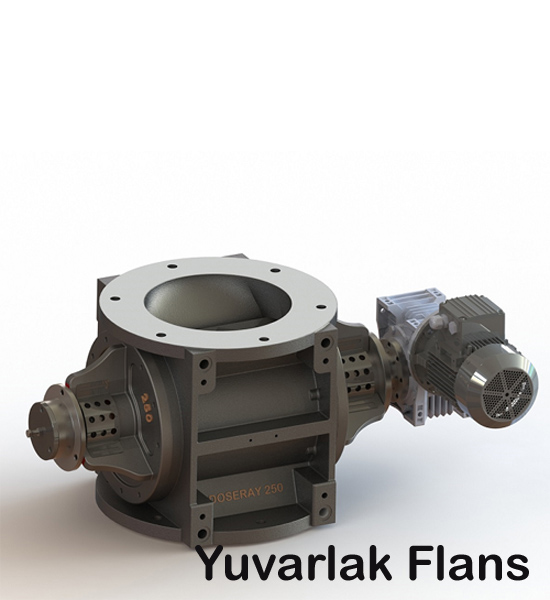
To briefly define the multiple functions of the rotary valve, which goes by many names (kapsel, airlock): it mixes air with bulk solids and, using the force of gravity, separates the product from low-pressure air. The vane design, tolerances and rotational speed of the rotary valve may vary according to the type of process and the kind of product being handled.
The bearing types and sealing elements (packing, mechanical seals, felt seals) of the rotary valve also vary according to the process. The internal rotors of rotary valves can be bladed, rounded, adjustable-vane, scraper or polyamide designs, among other options. In addition, ATEX versions of rotary valves are also part of our production range to meet process requirements.
In addition, in some processes the rotor pockets of rotary valves fill up very quickly, deposits form and the device is prevented from doing its job. The solution to such problems is a self-cleaning rotary valve. Known as a self-clean rotary valve, this device has different features from its equivalents and incorporates additional mechanical systems. It cleans itself while performing its function as a rotary valve. It is widely used especially at centrifuge outlets and in processes with high moisture content.
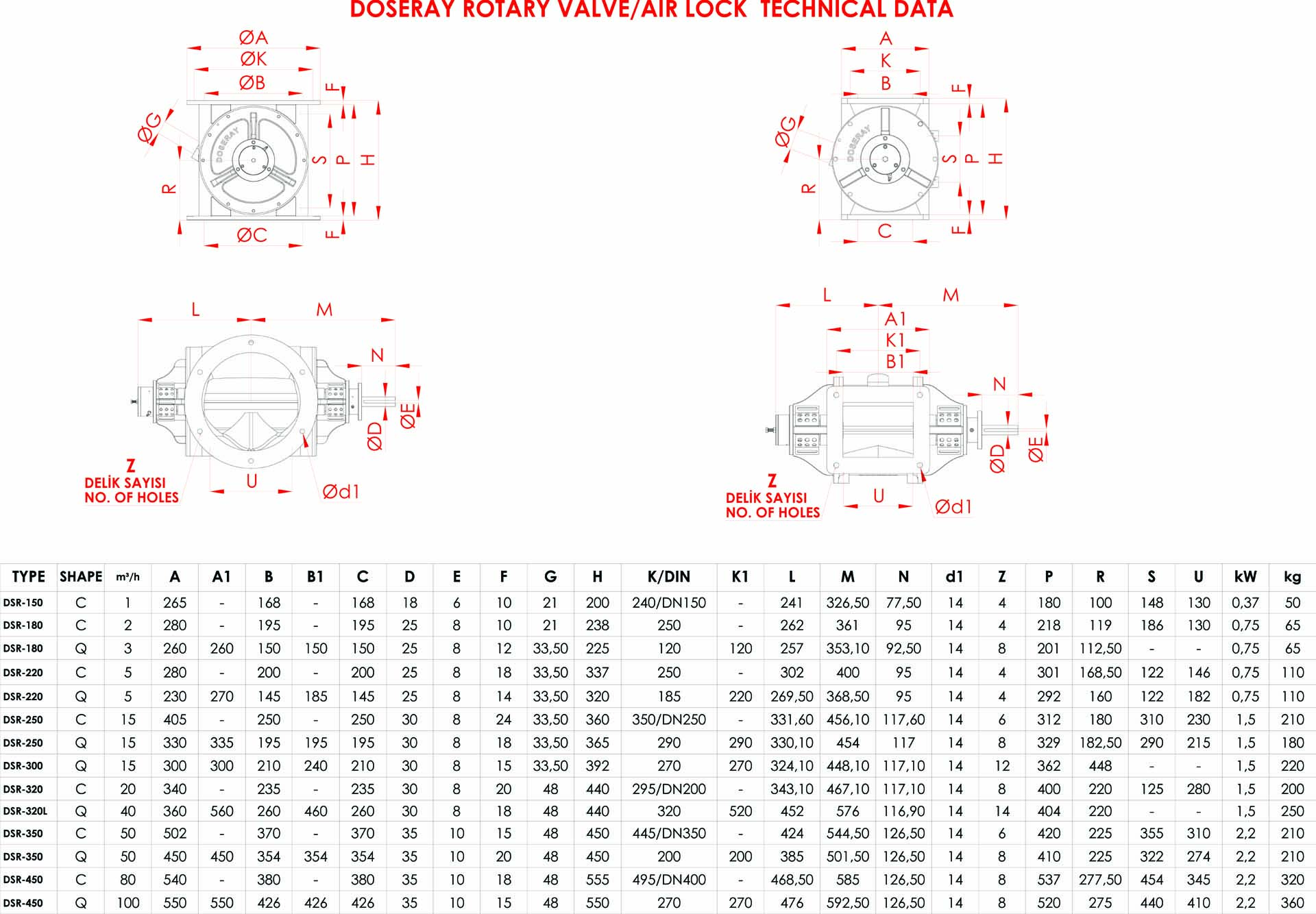
 Rotary Valve Catalog (PDF)